
Odorous House Ants
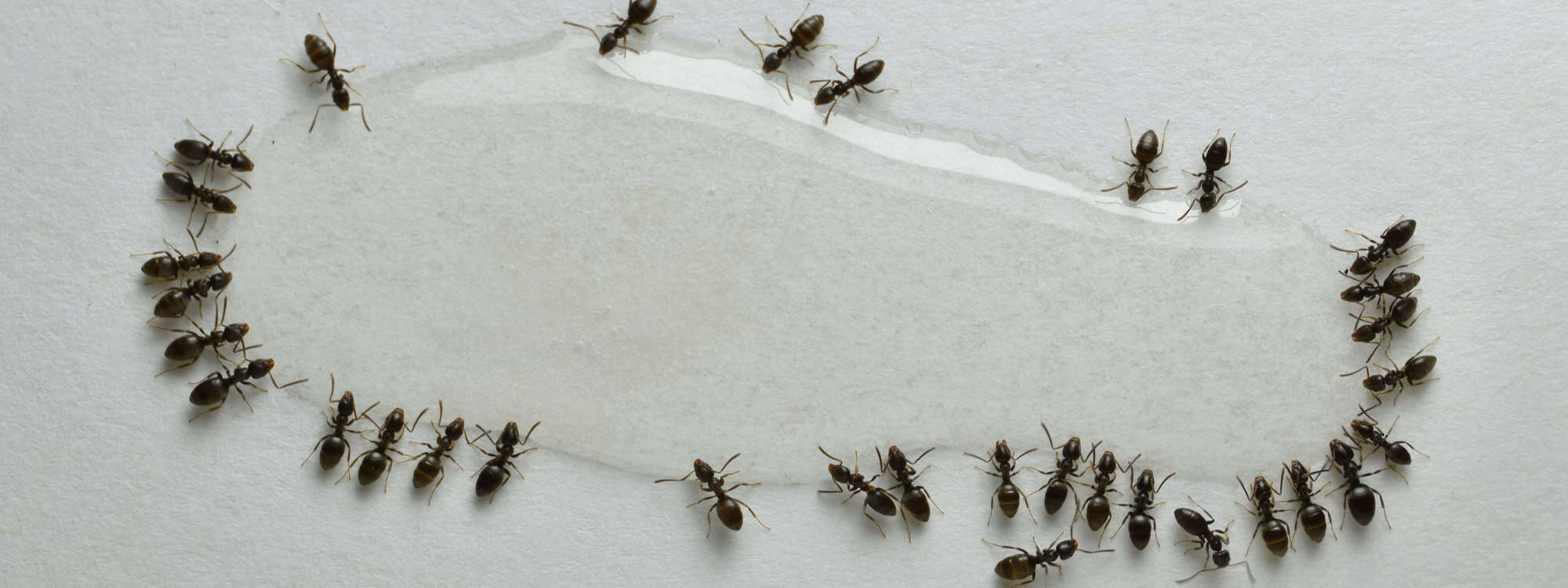
Identification: Odorous House Ants found in Muskoka are relatively small ants, typically measuring between 2.4 to 3.3 mm in length. They are dark brown to black in color and have an unevenly shaped thorax when viewed from the side. One of their distinctive features is the strong, rotten coconut-like odor emitted when crushed, which gives them their name.
Habitat: In Muskoka, Odorous House Ants prefer nesting in warm, moist environments. They commonly nest indoors in wall voids, under floors, and around sinks or toilets, especially in areas with high humidity. Outdoors, they nest in exposed soil, under stones, and occasionally in rotting wood or mulch.
Diet: Odorous House Ants have a varied diet, feeding on sweets, meats, and fats. They forage for sugary substances like honeydew from aphids and scale insects, as well as scavenging on dead insects, meats, and household food scraps. Their adaptable diet and ability to form large colonies contribute to their survival near human habitations.
Behavior: Odorous House Ants are highly social insects that exhibit a variety of behaviors well-suited to indoor and outdoor environments. They are most active during the warmer months, with peak foraging occurring in the early morning and late afternoon. These ants are notorious for their strong, distinctive odor, which they release when disturbed or crushed, often described as a rancid or coconut-like smell. They build their nests in a range of locations, including wall voids, beneath floors, and in insulation materials, making them difficult to detect. Odorous House Ants forage for a wide array of food sources, including sweets, proteins, and grease, and can form large colonies with multiple queens. Their ability to adapt to various environments and their attraction to food sources make them challenging to manage, requiring a comprehensive approach to control and prevention. Understanding their behavior helps in implementing effective strategies to mitigate infestations and protect indoor spaces.
Prevention: Preventing Odorous House Ant infestations involves several strategies. Ensuring food is stored in tightly sealed containers and promptly cleaning spills and crumbs reduces attractants. Fixing leaks and reducing moisture around sinks and plumbing areas discourages nesting indoors. Sealing cracks and gaps in walls and foundations with caulk prevents ants from entering buildings. Bug Free Muskoka’s Home Defense Barrier Service provides a proactive approach to prevent ant infestations by creating a protective barrier around the exterior of homes.
Control: Effectively managing Odorous House Ants requires locating and treating their nests. This may involve using ant baits placed near foraging trails or directly treating nests with insecticides. Regular monitoring and applying preventive treatments around the perimeter of buildings help to deter re-infestation and reduce ant populations.
If you are concerned about pests like Odorous House Ants, Bug Free Muskoka offers proactive solutions through their General Pest Control Service. This service targets common entry points and nesting areas, ensuring a pest-free environment year-round. By employing preventive treatments designed to repel ants and other pests, Bug Free Muskoka helps homeowners maintain peace of mind and protect their properties from infestations.